
Add Your Heading Text Here

While directing such a large organization, he always tried to utilize democratic methods and joint action in decision-making. He distinguished himself by his unusual work ethic and thoroughness.
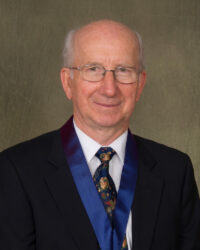
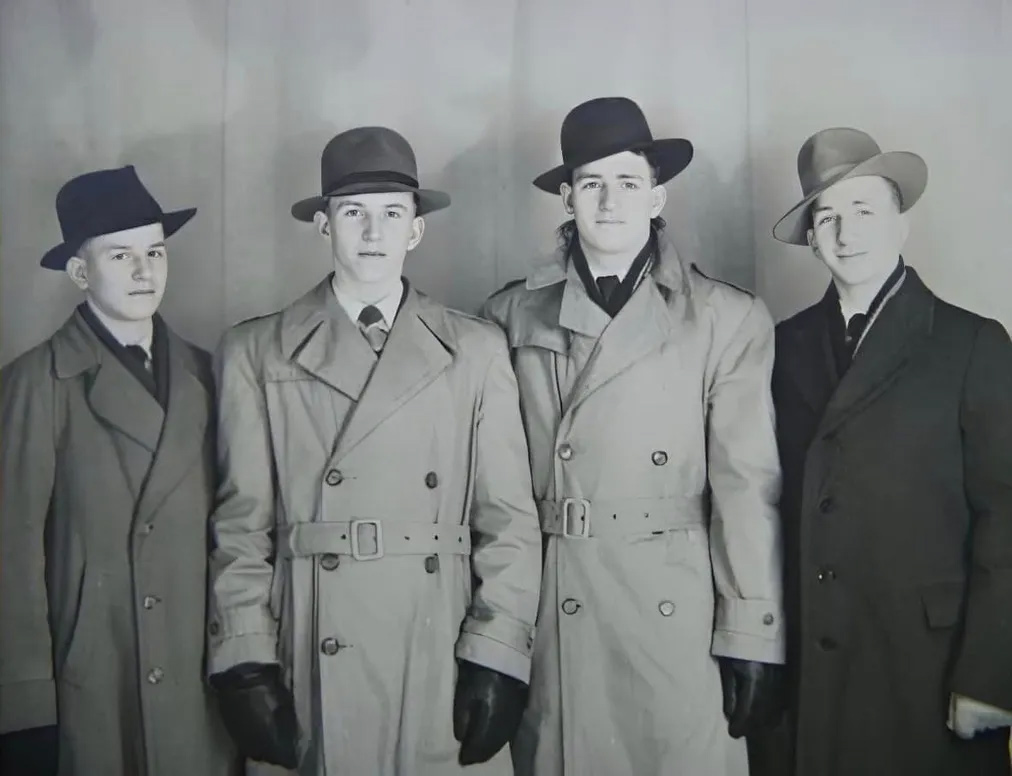
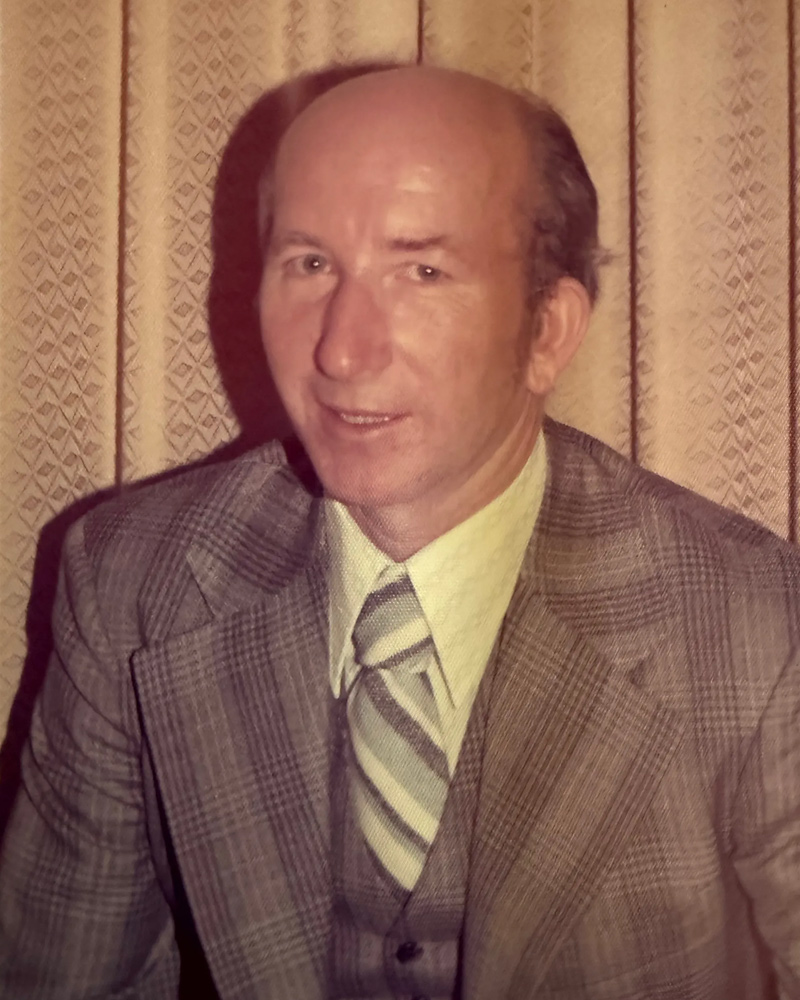
Henryk Mieczyslaw Lopinski was born into a peasant family on November 6, 1929, in Kicin near Poznan. His parents purchased a farm in Górowatki on the Pomorze and moved there. During World War II in 1941, the whole family was expatriated to work camps in Germany. After their liberation by the American Army in 1945, Henryk Lopinski immediately began studying. In 1948, he completed high school in the Polish School Centre in Lippstadt, Westfalia.
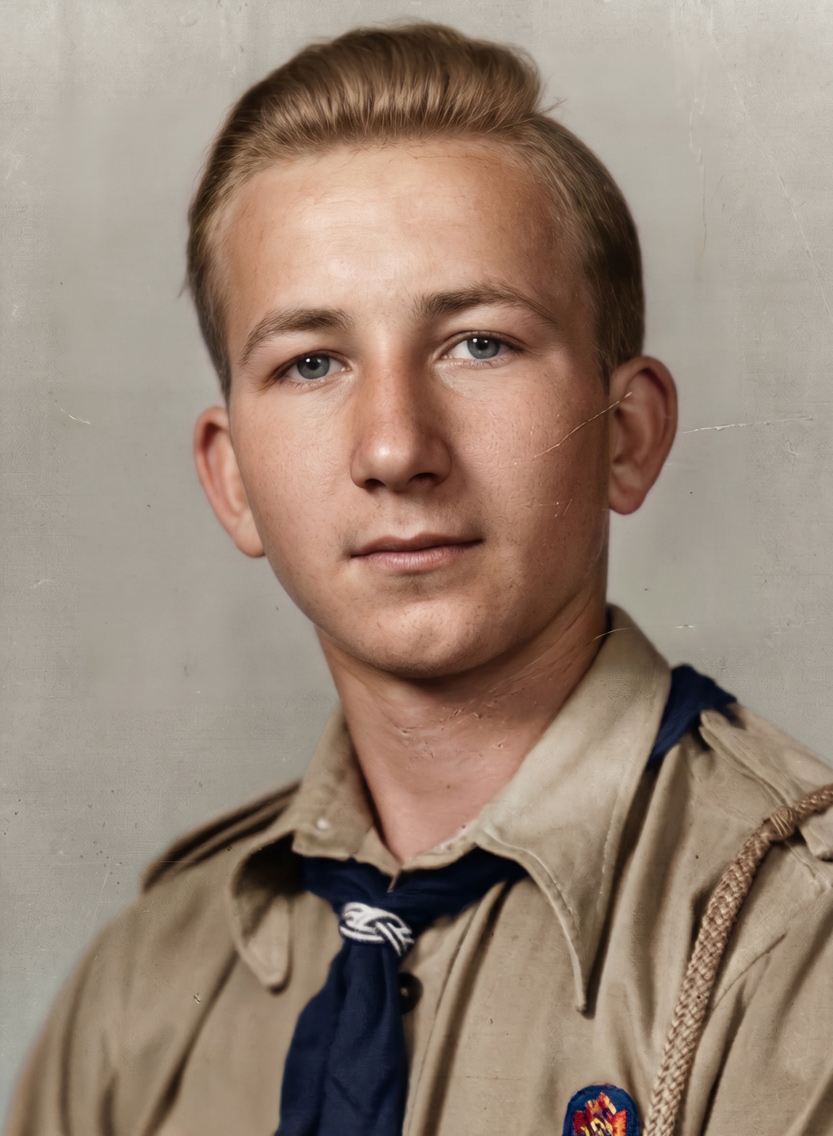
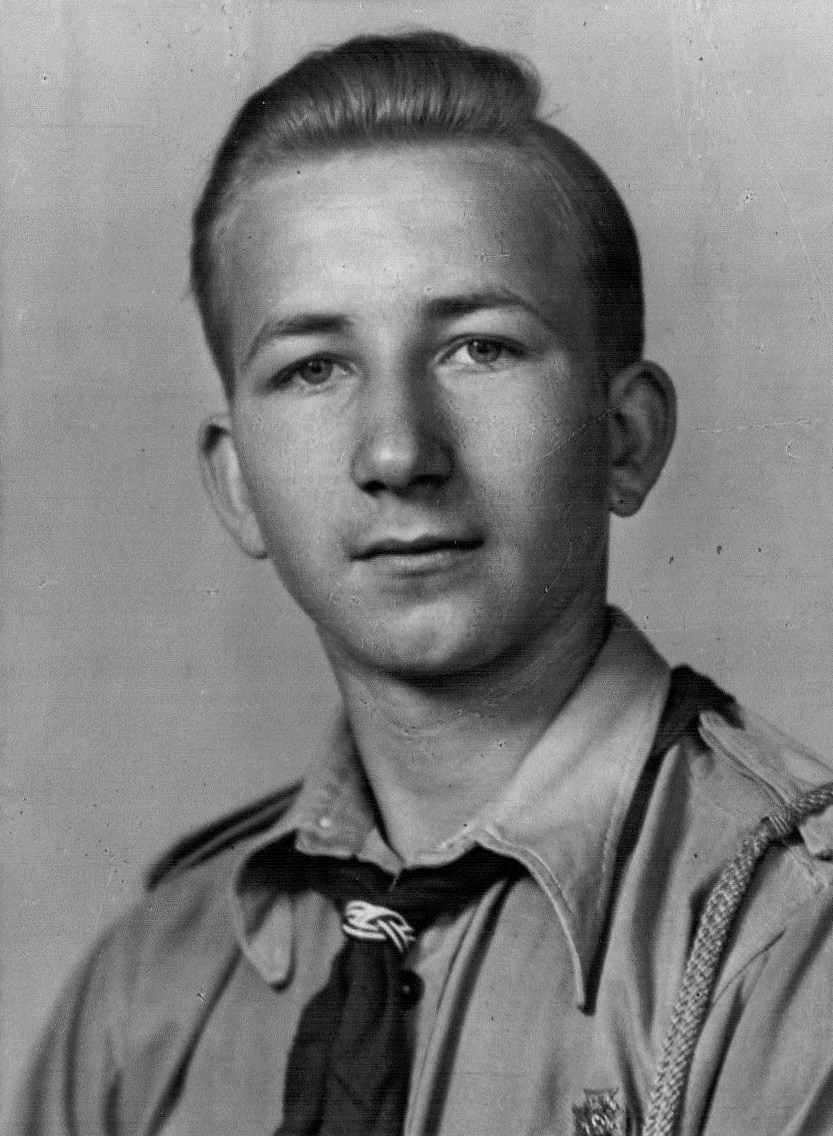
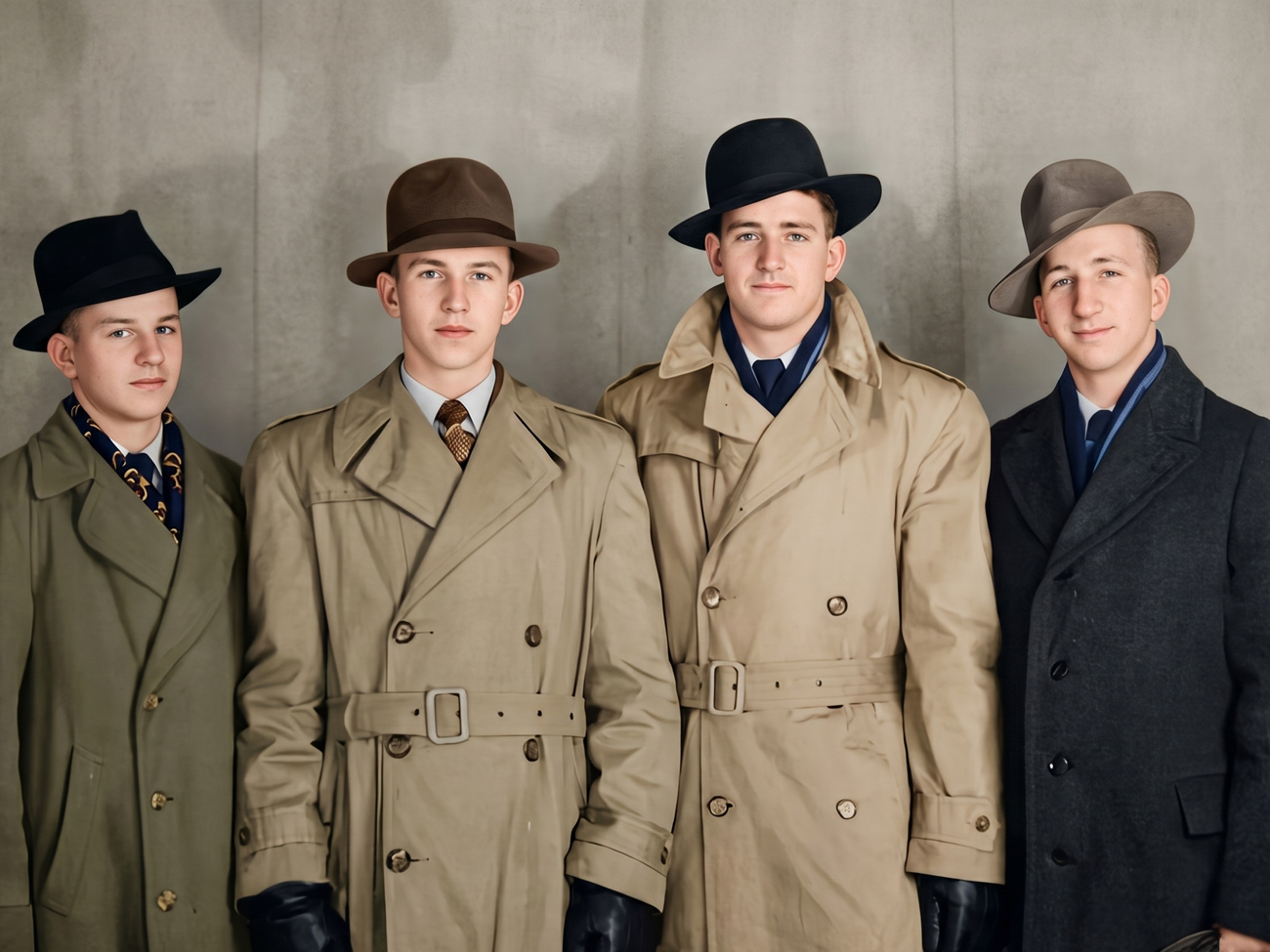
At that time, he began his long and fruitful community work. He was a scout, belonged to the Marian Sodality, and sang in the high school choir. He remembered this time in his life as an enjoyable one and, according to him, received “a good moral, religious and patriotic foundation.” After the structural changes in Poland in 1945, the Lopinski family decided to immigrate to Canada; in 1949, three Lopinski brothers began working in a gold mine in Geraldton, Ontario, under a year-long contract. Although this was not the easiest of work, Henryk Lopinski tried to establish a Polish association and organized a fundraiser to help the Poles who had remained in camps in Germany.
Thanks to a collective effort, a contract was signed and the Lopinski family became the owners of a farm in Fenwick, on the Niagara Peninsula; Henryk immediately joined the ranks of The Canadian Polish Society, which later formed PAC Branch 44. As Treasurer and, later, as President of this organization, he worked to acquire a Polish Hall in Fenwick.
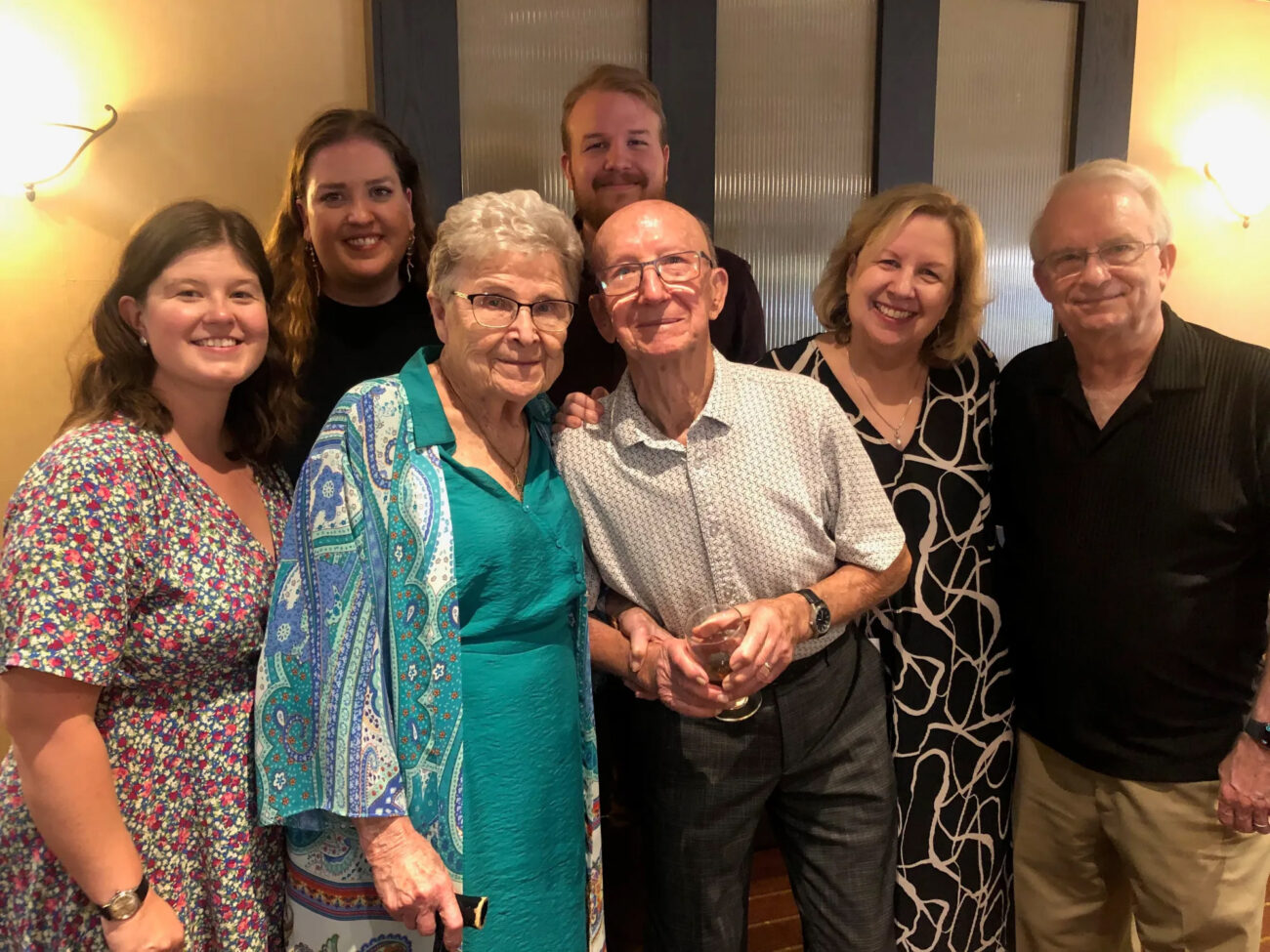
After marrying Anna Koszulinska in 1955, he and his wife settled in St. Catharines. At that time, he was the chairman of the School Committee, which was responsible for the six-grade Polish school in St. Catharines. He became a member of the Canadian Polish Congress Board in his district, which allowed him to learn more about the Polish community.
Since he was a professional draftsman, he received a proposition from his employer in 1967 to relocate to Mississauga. In their new place of residence, the Lopinskis quickly enrolled their children in PAC Branch 26’s Polish School and joined the ranks of that Branch, of which Henryk Lopinski was President for three years. Meanwhile, he was the secretary, later the vice-chairperson and, for a year, chairperson of the publishing direction of The Alliancer.
At the PAC General Assembly in 1969, Henryk Lopinski was chosen as a member of the Head Audit Committee. At a subsequent Assembly, he became one of the directors of the PAC Head Executive Board; two years later, he became Vice-president and, in 1975, President of the Alliance.
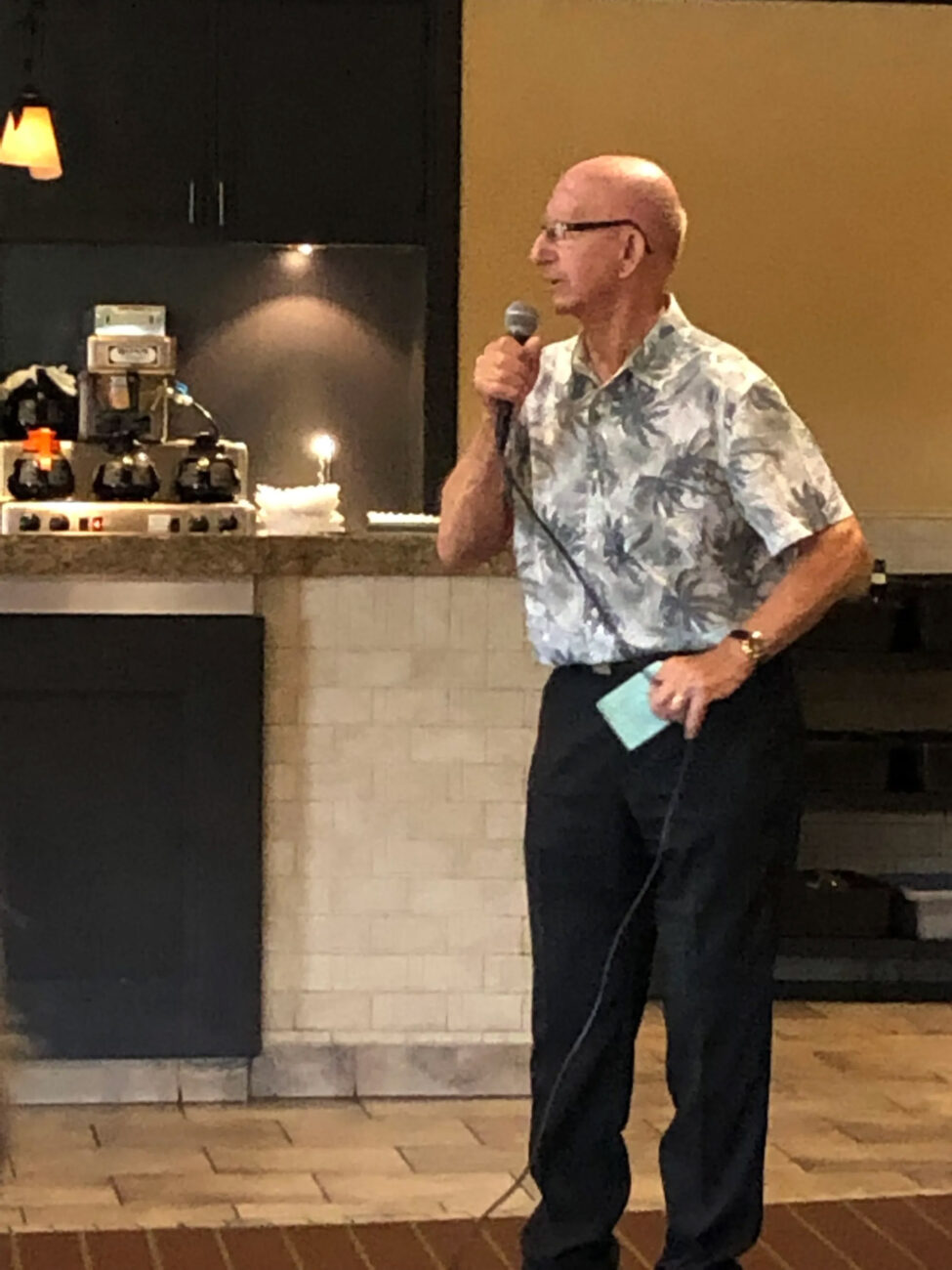
During his three-term presidency, he visited most Alliance branches and represented The Polish Alliance of Canada, taking part in numerous Canadian and Polish festivities. He also participated in the inaugural festivities of Pope John Paul II and funereal services of Cardinal Stefan Wyszynski, Primate of Poland.
The Lopinskis became active members in St. Maximilian Kolbe Parish, as soon as it was founded in Mississauga. For many years, Henryk Lopinski was President of The Maximilian Kolbe Foundation, which funded the construction of the John Paul II Polish Cultural Centre.
Queen Elizabeth II’s Diamond Jubilee Medal (2012) – Mississauga, Ontario