
Add Your Heading Text Here


Branch 2 in Hamilton was the pioneer of The Polish Alliance of Canada’s youth movement, when an organization called The Polish Youth Alliance was established in 1932. PAC Branch 1 in Toronto followed Branch 2’s footsteps and established its own Youth Alliance in the same year. In the following years, youth organizations began to form at other branches of The Polish Alliance of Canada, and in 1957 (the 50th anniversary of the Alliance), the Alliance possessed nine Youth Alliances.
This number constantly changed during the existence of The Polish Alliance of Canada, since different youth groups had different levels of organizational activity; some existed merely on paper, only to be reactivated a few years later.
Youth Alliances were autonomous entities of The Polish Alliance of Canada but were under the control of the Head Executive Board in matters of ideals, finances and representation. Their own completely independent range of activity applied to sports and recreation. Interestingly, unlike many other youth organizations whose regulations were set by adults, the PAC’s youth made up its own statute, which outlined its objectives and responsibilities and stated the following:

The responsibilities of each member of the Youth Alliances included participation in the celebration of national holidays and membership in various interest circles, such as theatre circles, choirs, music and dance ensembles, and sports teams. It became necessary to outline common principles of activity for newly-created and already-existing Youth Alliances. For this reason, Assemblies were held and Conferences of Delegates were organized. The 1st Assembly took place in October 1938, at which the existing regulations and statutes were corrected, and a new position was created. This position was that of the Head Youth Organizer, whose tasks included creating new groups and overseeing the activity of existing ones. W. Gumiela and W. Mianowany were both chosen as youth organizers.
At the III Assembly in Hamilton in 1941, the Youth Alliances’ Central Board was chosen, with W. Sochacki elected its President. F. Glogowski, A. Ryfa, T. Glista, J. Lopinski, W. Nowacki, Joe Dryngiewicz, M. Skrzypek, D. Ksiadzyna, and D. Sztaba have been presidents of the Youth Alliances’ Central Board. Currently, Danuta Kosior is CENEX President.
In 1954, Branch 10’s Youth Alliance in Brantford began publishing an English-language monthly entitled How’s It Going. The Youth Alliances’ Central Board later took over the publication as its own press.
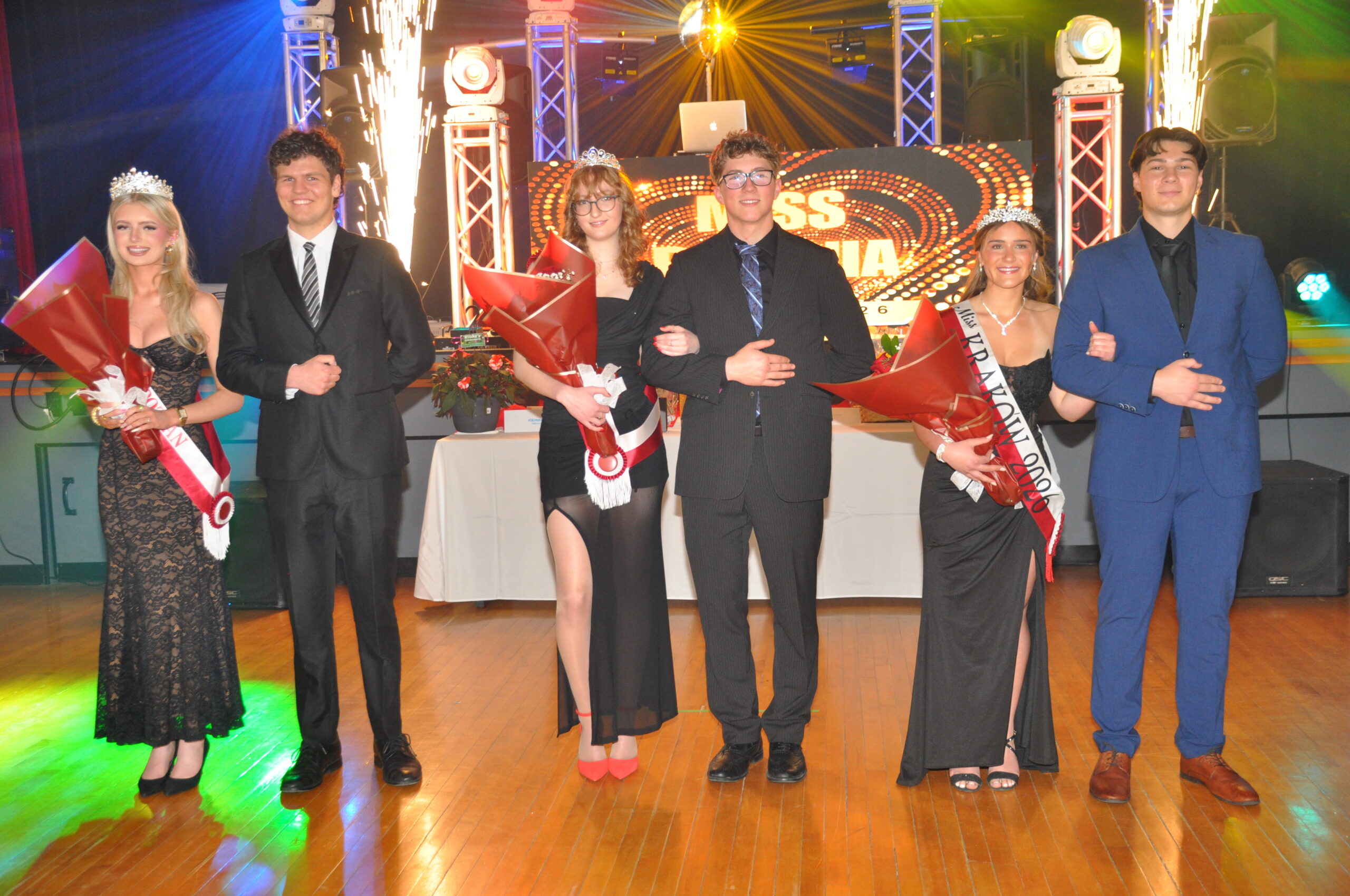
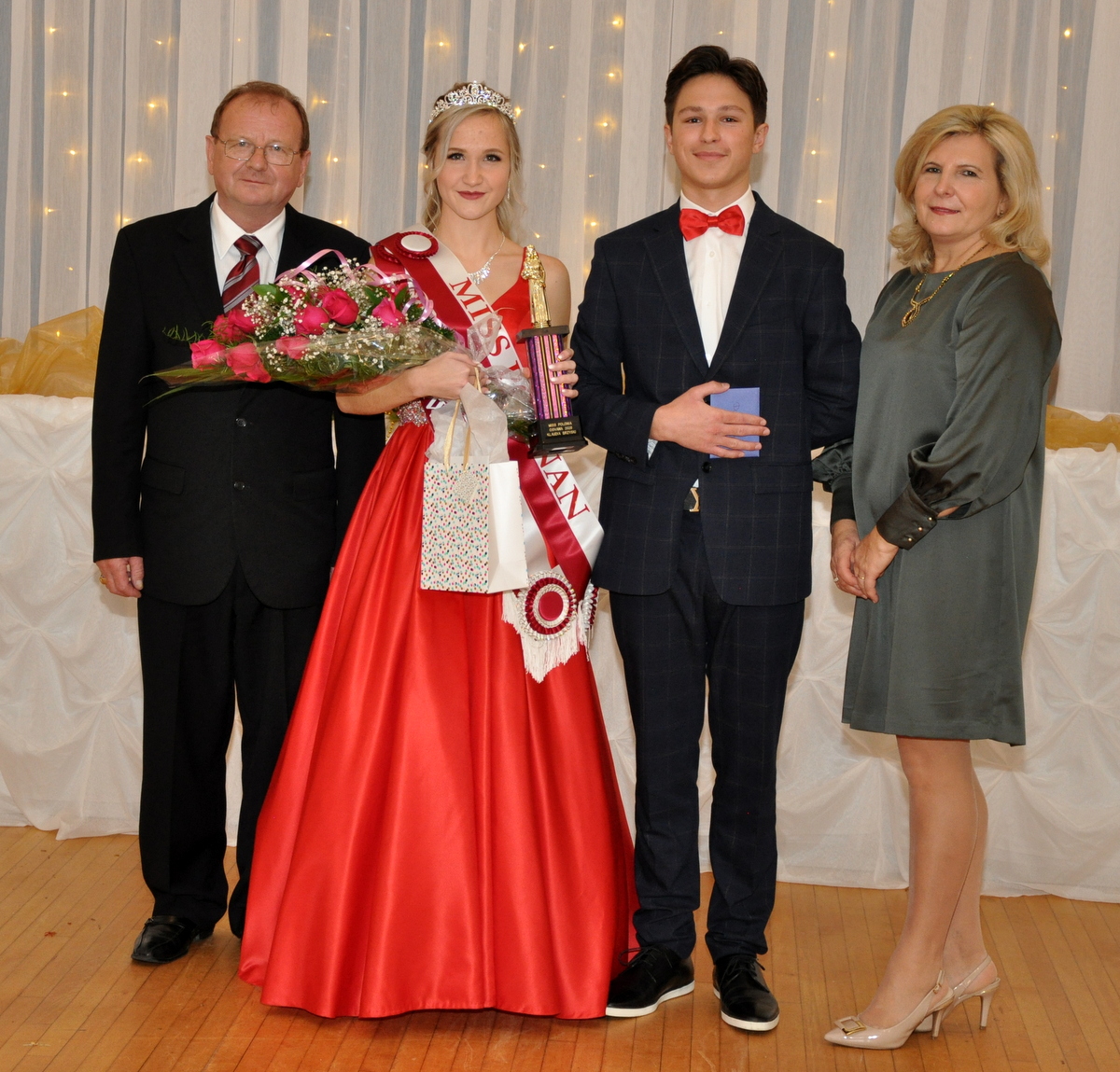
In 1958, the Miss Polonia Canada competition took place for the first time, thanks to the initiative of the bi-weekly publication The Alliancer, and quickly became popular among the youth. A Miss Polonia is chosen annually in each city that has a PAC Branch and a Youth Alliance; a Canadian Miss Polonia is also chosen annually. The Miss Polonia Canada event is the responsibility of the Youth Alliances’ Central Board (CENEX) and has many admirers. Candidates for Miss Polonia must speak Polish, know Polish history, traditions and customs, and show their talents and unique hobbies to the jurors and audience.
The organization of today’s Youth Alliances differs greatly from their organization several years ago. Immigration has slowed. Young people are quickly assimilated into their surroundings, are very active, become educated, become excellent professionals, but also nostalgically return to their roots. They have much less time for organizations and meetings with their peers. Sudden technological progress has halted the need for social gatherings, organizations, parties, and serving “ideals.”
In today’s youth movement of The Polish Alliance of Canada, it is difficult to find replacements for politicians, such as Dr. Stanley Haidasz, the first Polish-Canadian senator, and Jesse Flis, the Polish envoy to the Federal Parliament. They had both been members of Youth Alliances. Future presidents of the PAC – Tadeusz Glista, Eda Uba and Albert Flis – belonged to Youth Alliances. University professors Tadeusz Wisz and Czeslaw Sadowski, as well as many important engineers, lawyers and teachers of future generations of Polish-Canadians, also belonged to the Alliance’s youth.
In this way, it is worth noting the assumptions of the IV Assembly of Youth Alliances’ Delegates in 1942, which stated:
Many dance and song ensembles that exist at Alliance branches work for the “good opinion of the Homeland of their predecessors.” Through their beautiful performances, they amaze those who watch them at concerts, organized for important events in the life of the whole “Alliance family.”
The Speech Competition was created by Michalina Wolnik for the youngest Polish-Canadian generation and hosts approximately 3000 children and adolescents annually. Members of Branch 95 in Mississauga, whose children are university students, initiated the establishment of the Scholarship of Scholars at The W. Reymont Foundation. The collected funds are meant to help younger generations of Polish origin in their studies. The importance of youth participation in the community is proven by the fact that Anna Potasz of Branch 95’s Youth Alliance was the representative of The Polish Alliance of Canada’s Youth Alliances in the Canadian Polish Congress Head Executive Board.